
Why Some Cheap Phones End Up Costing More in the Long Run
Budget Phones
Value for Money
Buying Guide
Smartphones
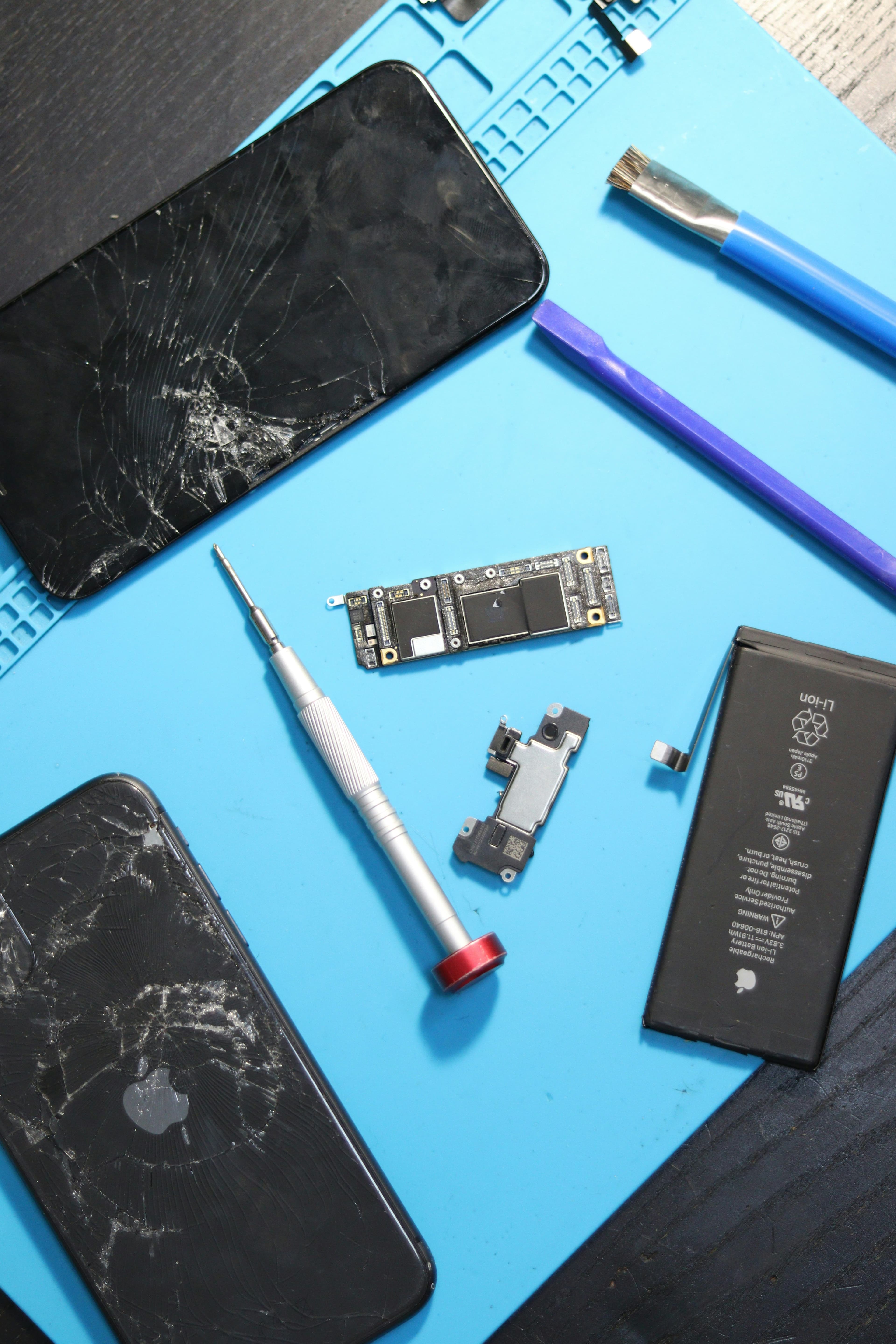
A cheap phone can look like a smart decision at checkout, but the real cost of a phone shows up over time. If the device becomes frustrating too quickly, needs repairs early, or forces you into replacement sooner than expected, the lower initial price may stop looking like a bargain.
One common problem is weak performance. A phone that already feels slow during normal use is unlikely to age well. As apps grow heavier and storage fills up, lag becomes more noticeable. That creates daily friction and often pushes buyers to replace the phone earlier than planned.
Battery performance is another hidden cost. A phone that drains too fast affects convenience every single day. If you end up carrying a charger constantly, using a power bank everywhere, or paying for battery replacement too soon, the low upfront price becomes less impressive.
Low storage is one of the biggest traps in affordable phones. Buyers often focus on getting the cheapest option without thinking about how quickly photos, apps, and media build up. Once storage becomes a problem, the phone can feel cramped and unreliable even if the hardware itself is still intact.
Poor software optimization also hurts value. Some cheap phones come with heavy bloat, weak update support, or unstable performance. That may not be obvious on day one, but it becomes obvious after months of regular use.
Resale value matters too. A slightly more expensive phone from a stronger category may hold value better and be easier to sell later. A very cheap phone can lose relevance fast, which changes the real long-term cost.
This does not mean affordable phones are bad. It means buyers should aim for smart value, not just the lowest sticker price. The right phone is the one that gives you dependable use over time without forcing too many compromises too early.